


Search for a no-KYC crypto exchange, and you will quickly come across claims about completely anonymous crypto trading. That description can be misleading.
Some platforms allow users to exchange cryptocurrencies without submitting a passport, proof of address, or other identity documents. However, that does not make every transaction invisible. Public blockchain records, wallet activity, local regulations, and fiat payment methods can still create a trace.
A no-KYC exchange mainly reduces the amount of personal information collected by the trading platform. It does not guarantee complete anonymity.
In this guide, Bitania explains how no-KYC crypto exchanges work, the different types available, their possible advantages, and the risks users should consider before making a trade.
What is KYC?
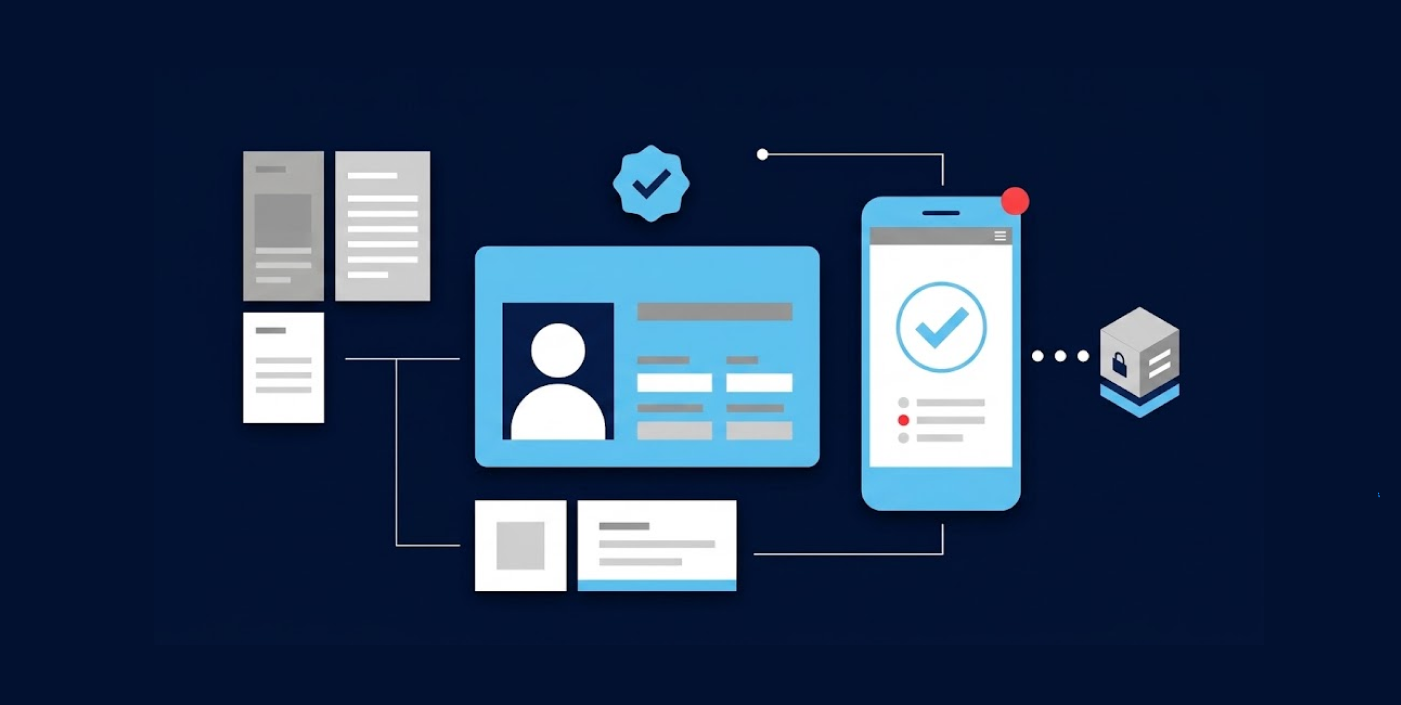
KYC stands for Know Your Customer. It refers to the identity checks financial companies use to confirm who their customers are.
A standard KYC process may require:
- A government-issued identity document
- Proof of address
- A photograph or facial verification
- Personal and contact information
- Details about the source of funds
KYC is closely connected to anti-money-laundering and counter-terrorist-financing rules. These requirements are designed to help financial institutions identify suspicious activity, maintain transaction records, and reduce the misuse of financial services.
The Financial Action Task Force, commonly known as FATF, sets international standards for virtual assets and virtual asset service providers. Its guidance calls for measures such as customer due diligence, transaction recordkeeping, suspicious activity reporting, and the secure transmission of sender and recipient information under the Travel Rule. Individual countries then introduce these standards through their own laws.
Why Do Most Centralized Exchanges Require KYC?
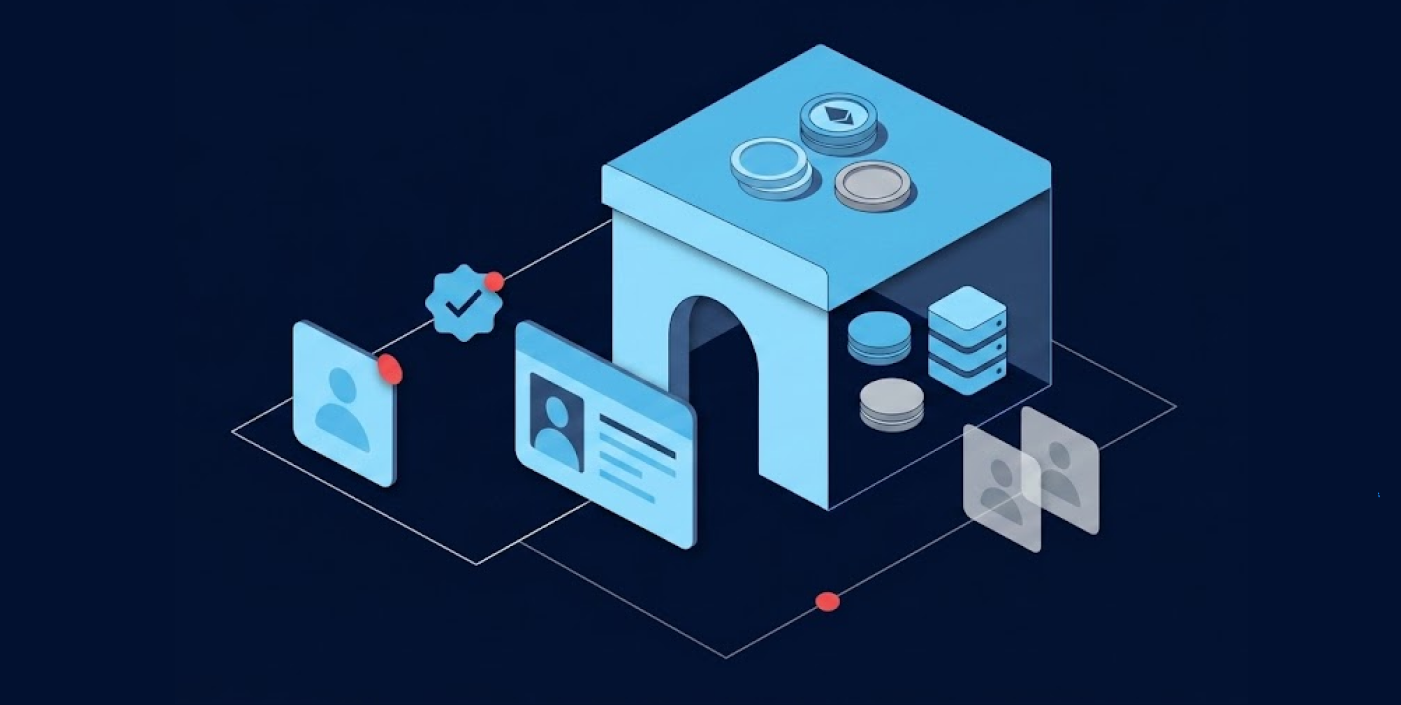
Centralized crypto exchanges operate in a similar way to other financial service providers. They manage customer accounts, hold funds, process deposits and withdrawals, and often provide a route between cryptocurrency and traditional money.
Because of this role, many jurisdictions require them to identify their customers and maintain anti-money-laundering programs.
In the United States, many crypto businesses that accept and transmit value may fall under money-transmitter rules. This brings reporting, recordkeeping, and compliance responsibilities that often lead exchanges to verify users before allowing full access to trading, deposits, or withdrawals.
The European Union also regulates crypto service providers through the Markets in Crypto-Assets framework. Its Transfer of Funds Regulation extends information requirements to certain crypto transfers, giving regulated platforms another reason to verify their customers.
These rules do not apply in exactly the same way everywhere. Requirements depend on the platform, its services, the user’s location, and the jurisdictions in which the company operates.
What is a No-KYC Crypto Exchange?

A no-KYC crypto exchange allows users to trade or swap supported digital assets without completing a full identity-verification process.
In many cases, users do not need to create a traditional account. They connect a crypto wallet, select the assets they want to exchange, review the rate and fees, and approve the transaction.
The phrase “no KYC” can describe several different services. Some collect no identity documents during normal transactions, while others may request verification when a trade is flagged, exceeds a certain limit, involves a restricted asset, or triggers a compliance review.
Users should therefore read the platform’s terms instead of assuming that no-KYC access is unconditional.
The Main Types of No-KYC Exchanges
Decentralized Exchanges
A decentralized exchange, or DEX, uses blockchain-based smart contracts to process trades.
Users connect a non-custodial wallet and trade directly from it. The exchange does not normally create a traditional customer account or hold the user’s funds in a central wallet.
Many DEXs use an automated market maker model. Instead of matching buyers and sellers through an order book, the smart contract calculates prices using the assets available in a liquidity pool.
Uniswap is a well-known example of this model on Ethereum. Trades are executed through smart contracts rather than a conventional exchange account.
Although the smart contracts may be accessible on-chain, the website or interface used to reach them can still apply regional restrictions or compliance controls.
Non-Custodial Swap Services
Non-custodial swap platforms let users exchange one cryptocurrency for another without depositing funds into a long-term exchange account.
A user usually selects the asset pair, enters a receiving address, and sends the required amount. The service then routes the transaction through available liquidity sources.
These platforms can provide a more seamless experience than going straight to a DEX. But their policies are different. Sometimes they may apply transaction monitoring, sanctions screening, geographic restrictions or other checks.
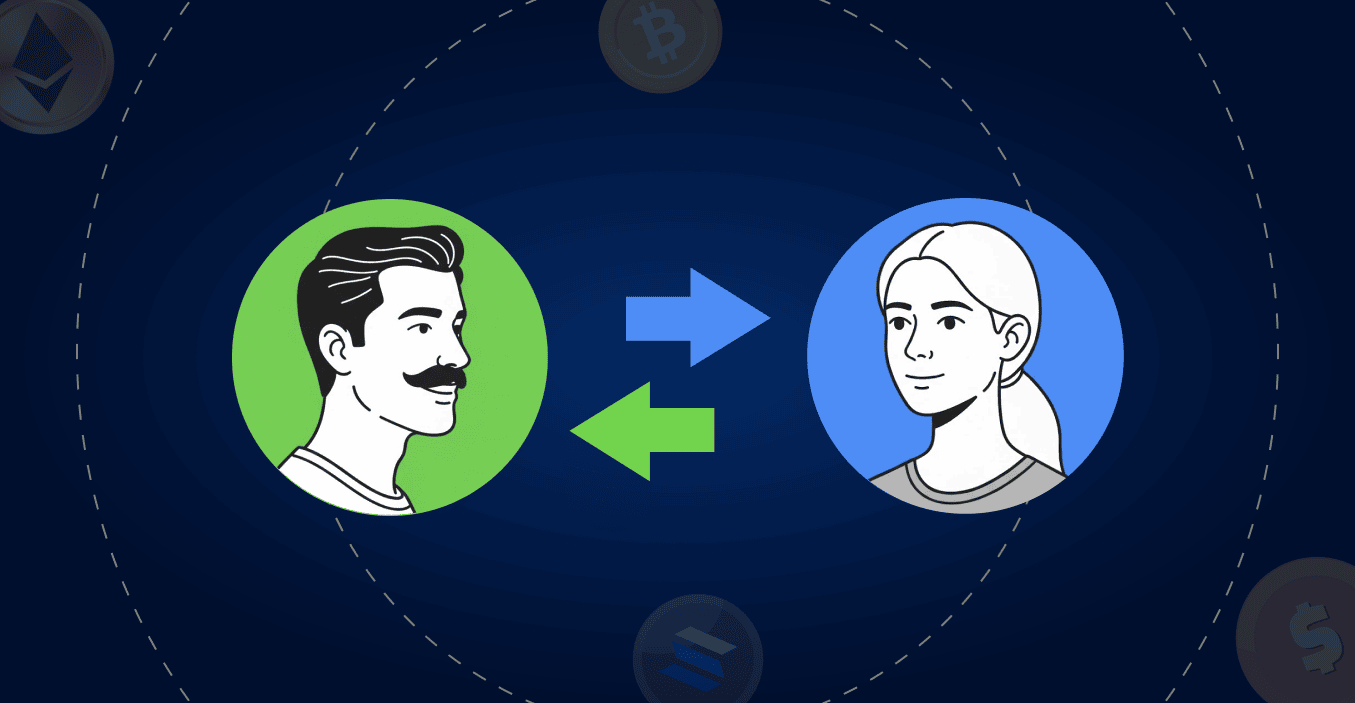
Peer-to-Peer Marketplaces
Peer-to-peer platforms are connecting buyers and sellers directly.
The seller is making an offer, selecting a payment option and setting the terms of the exchange. The platform could hold the cryptocurrency in escrow until both sides of the trade have delivered.
A P2P platform may not need full KYC for every transaction, but the payment method can still expose personal information. Most fiat services like bank transfers and mobile payment apps keep their own records of identity and transactions.
Therefore, a P2P trade should not be considered automatically anonymous.
What No-KYC Trading Does Not Mean
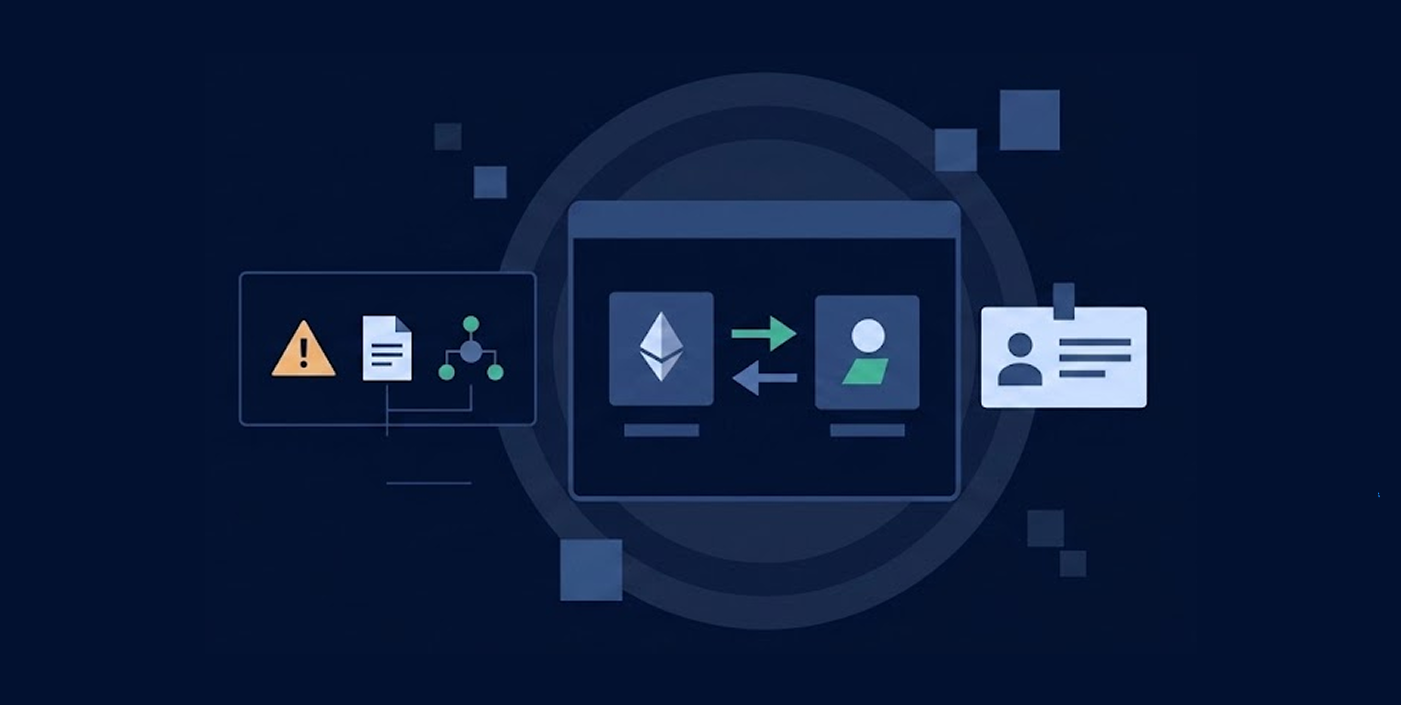
It Does Not Mean There is No Transaction Trail
Most public blockchains keep transaction history forever. A blockchain explorer lets anyone see wallet addresses, transaction amounts, timestamps, token transfers, and interactions with smart contracts. The wallet address may not tell you a person’s name, but blockchain-analysis tools can analyze transaction patterns and links between addresses.
Avoiding an exchange account means the platform collects less personal data, but it doesn’t erase the blockchain record.
It Does Not Remove Trading Risks
No-KYC exchanges can still expose users to financial and technical risks.
Possible problems include:
- Malicious or faulty smart contracts
- Fake tokens
- Phishing websites
- Wallet-draining approvals
- Low-liquidity trading pairs
- High slippage
- Failed bridge transactions
- Front-running and other forms of transaction manipulation
A platform’s lack of identity verification should never be mistaken for proof that it is secure.
It Does Not Make the Platform Exempt From Regulation
Rules governing crypto are still changing in various markets. Regulators and international standard-setting bodies are increasing the scrutiny on decentralized finance, unhosted wallets, peer-to-peer transfers, stablecoins, and services that are running without traditional customer accounts.
The FATF has repeatedly called for wider implementation of its virtual-asset standards and Travel Rule requirements. It has also continued to track DeFi, peer-to-peer activity and unhosted wallets for financial-crime risks. Services available today might, down the line, require verification, restrict certain countries, block certain assets, or change how it handles transactions.
How Trading on a DEX Works
Say a user wants to trade ETH for USDC using an automated market maker. The user then connects a supported wallet to the DEX interface. After selecting ETH and USDC, the platform shows an estimated exchange rate, network fee, liquidity-provider fee, and expected output. The price is based on how much of each asset the liquidity pool has. Large trades can impact the pool price and have more slippage.
Once the user accepts the swap, the wallet broadcasts the transaction to the blockchain. The smart contract performs the trade, updates the pool balances, and transfers the acquired asset to the user’s wallet.
There is no traditional account manager or centralized matching engine handling the trade. The user interacts with the smart contract via a wallet and is still responsible for approving the right transaction.
Possible Benefits of No-KYC Exchanges
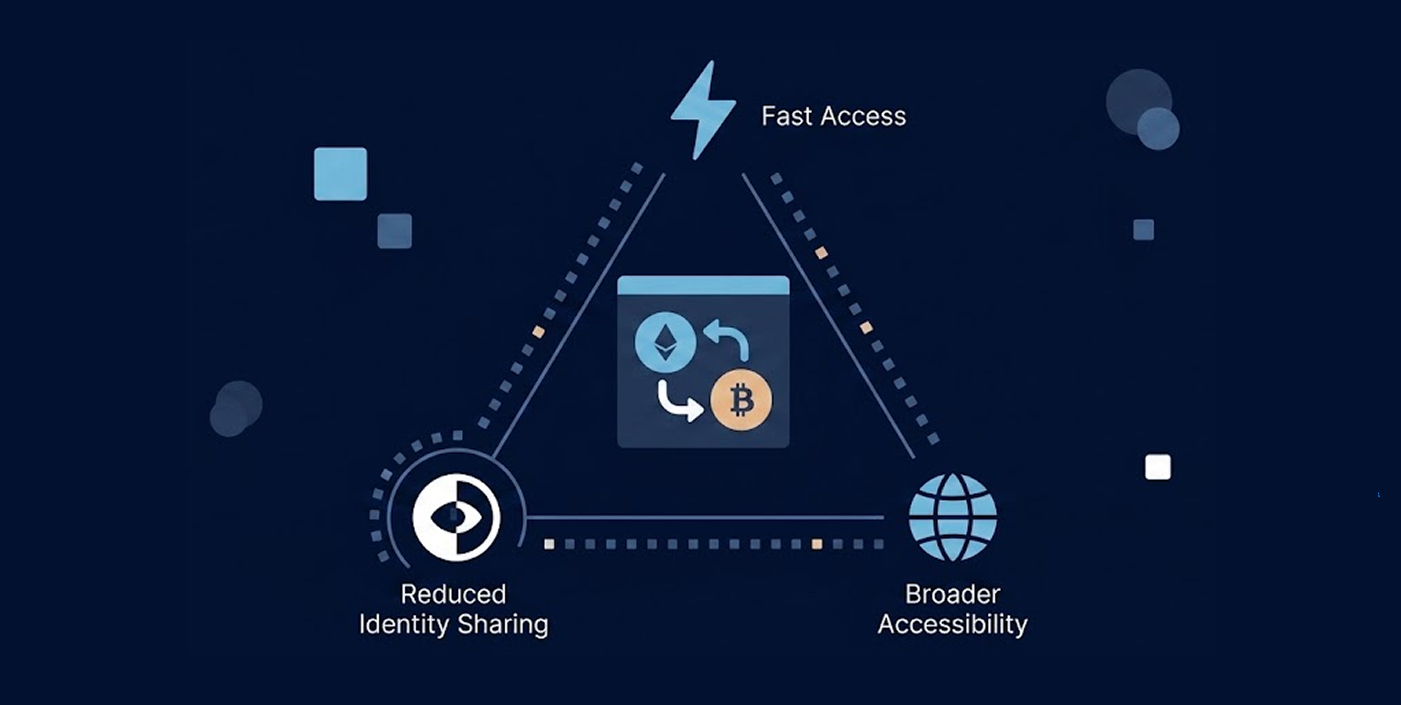
Quicker Access
The normal verification takes from a few minutes to several days. Delays can occur if documents are rejected, photos are unclear, or a platform requires further information.
Many no-KYC services don’t do that step. Connect a wallet or enter a receiving address and start the exchange process right away, without waiting for your account approval.
Less Personal Information Stored Online
Identification documents contain sensitive information. And uploading them to a few exchanges increases the number of companies that are keeping copies of those records.
A platform that doesn’t collect those documents reduces that particular form of data exposure. This is useful for users who wish to have control over where their personal information is stored.
Greater Control Over Funds
With non-custodial exchanges, users can trade directly from their own wallets.
The user has control of the private keys and does not need to keep assets in a centralized exchange account for a long time. This reduces custodial exposure, but puts more responsibility on the user to secure the wallet.
Broader Access to On-Chain Markets
Tokens and liquidity pools that might not be accessible through a centralized exchange can be accessed through decentralized platforms.
The blockchain, wallet compatibility, liquidity, geographical limitations, and the user’s capacity to pay the necessary network fees all still affect availability.
Risks and Trade-Offs to Consider
Smart Contract Risks
Economic risks or coding risks may be found in a smart contract. Vulnerabilities may be found in some of the smart contracts even after being audited.
It is important for the users to find out if the contract has undergone an audit process, the time in which it has been operational and if there were any security concerns related to the contract.
Slippage and Liquidity
Even if the price of the token is favorable, the token may lack liquidity. Liquidity issues may lead to the price of the transaction being much different from what was expected. Users should check on the price impact, the minimum received amount and total fees before confirming any swap.
Your Wallet is Your Responsibility
In self-custody wallets, the responsibility lies with the user for controlling the wallet and dealing with the issues that arise in case anything goes wrong.
The wallet could be compromised because of the seed phrase, private key, malicious approval or even through the wrong transaction. There will be no support staff to reverse such transactions.
Issues With Transitioning From Fiat to Cryptocurrency
Crypto-to-crypto deals are the focus of attention of most no-KYC exchanges.
It may become necessary to go through an official service that will require verification when buying crypto with a bank account, withdrawing money to a card, or changing digital assets for fiat money.
Hence, with all KYC procedures remaining, no-KYC trading could lessen the need for verification at the exchange.
Safer Practices for No-KYC Crypto Trading
Users who choose a no-KYC platform should still follow basic security practices.
Verify the Official Website
The layout of authentic platforms can be closely imitated by fraudulent exchange websites. Avoid clicking on unfamiliar URLs in direct messages, ads, or social media comments, and thoroughly verify the address.
Check Contract Addresses and Tokens
Tokens may share names and symbols. Before completing a swap, verify the contract address using official project documentation or a reliable blockchain explorer.
Begin with a Modest transaction
To verify that the wallet address, network, token, and service are operating as intended, a brief test transaction is helpful. This can lessen the effect of a simple error, but it does not eliminate all risks.
Examine the Permissions for Your Wallet
Certain decentralized apps ask for authorization before using tokens from a wallet. Review current permissions on a regular basis and refrain from granting infinite permits when they are not required.
Verify Slippage and Fees
The ultimate amount received may differ from the exchange rate that is indicated.
Take Care When Using Bridges
Verify that the receiving wallet, token format, source network, and destination network are all right.
Recognize local regulations
Regulations about cryptocurrency vary by nation and are subject to change. Users should understand any potential reporting or tax obligations and verify whether a platform or transaction type is allowed where they reside.
How to Compare No-KYC Exchanges
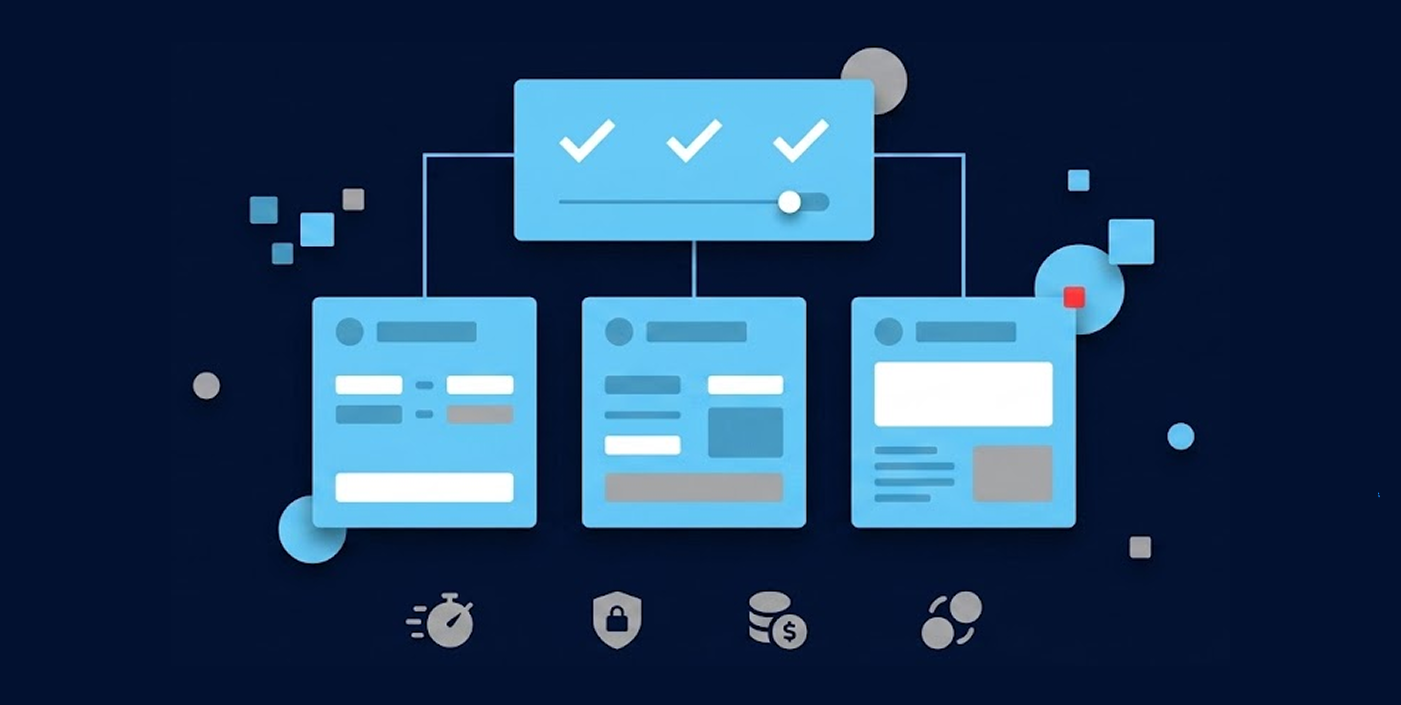
Searching for the “best no-KYC exchange” may produce long rankings, but the right service depends on the user’s needs. Bitania recommends checking the following points before choosing a platform:
Custody
Does the business temporarily manage your money, or does it let you trade straight from your wallet? Bitania is an absolute self-custody no KYC crypto exchange.
Policy for Verification
Does the platform bypass KYC for all transactions or just those that fall below predetermined thresholds? What circumstances allow it to ask for more details?
Networks and Assets Supported
Verify that the service is compatible with the specific currency and blockchain network you plan to utilize. A loss may occur if money is sent over the incorrect network.
The Degree of Liquidity
Examine the trade volume, anticipated price impact, and available liquidity for the chosen pair.
Transparency
Examine the paperwork, costs, business details, smart-contract addresses, audits, and transaction procedure.
Geographical Access
While the platform’s website prohibits members from specific nations, a smart contract might exist on-chain. Before attempting to trade, review the terms of the platform.
History of Security
Examine past breaches, contract violations, client grievances, and unsolved withdrawal problems.
Options for Exit
Consider what transpires following the trade. Determine which service you will use and whether KYC is necessary if you ever need fiat money.
Final Thoughts
Users can typically exchange digital assets on a no-KYC cryptocurrency exchange without providing a complete set of identity credentials. This can speed up onboarding, decrease the quantity of personal data exchanged, and provide users with more control through self-custody. Anonymity is not guaranteed by it.
Fiat payment methods frequently reintroduce identification checks, blockchain transactions are still visible, and wallet activity may be examined. Additionally, users of no-KYC platforms are more accountable for managing slippage, protecting their wallets, validating smart contracts, and comprehending local laws.
Compare a platform’s custody mechanism, security history, liquidity, fees, verification policy, and geographic constraints rather than picking one only because it promotes no-KYC trading.
Bitania aims to make these choices easier by presenting crypto information clearly and practically. The more users understand how an exchange works, the better prepared they are to balance privacy, convenience, security, and regulatory responsibility.