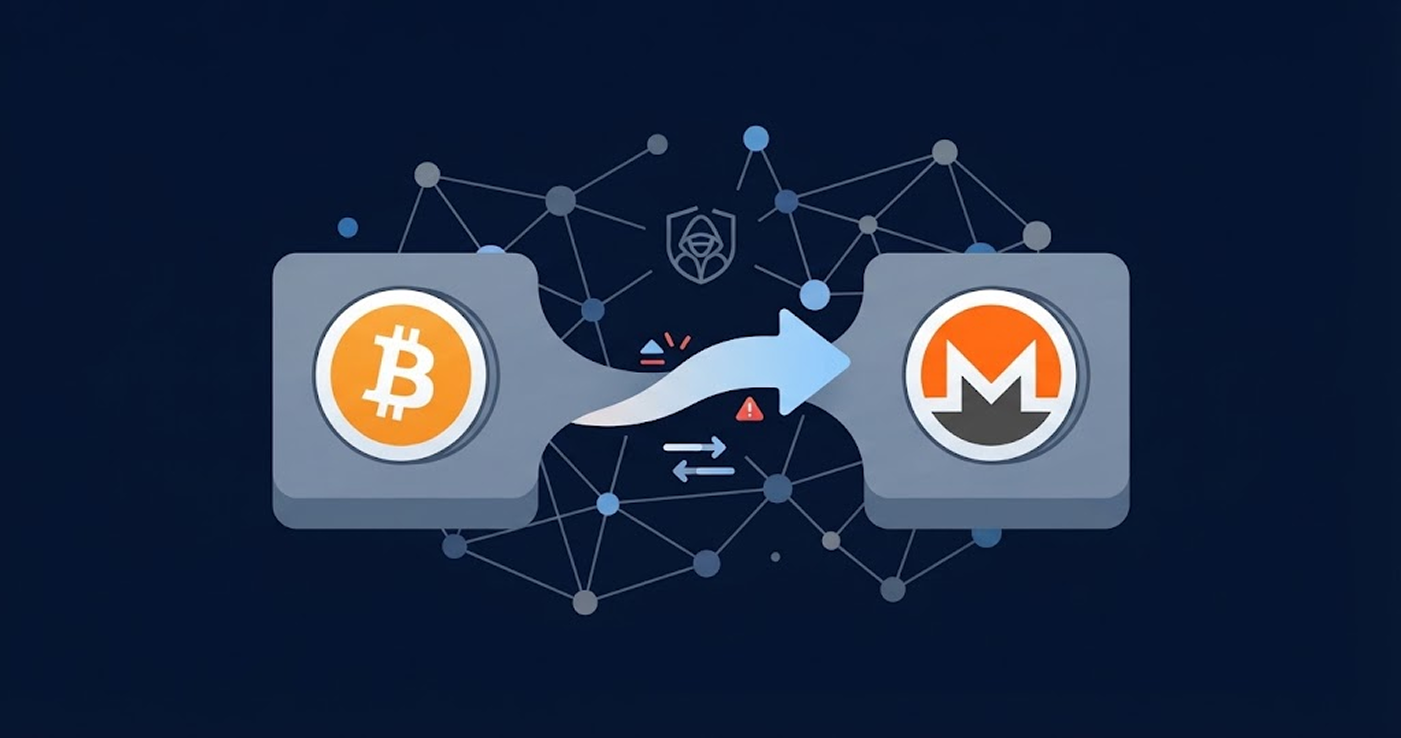


The term “no-KYC” is commonly used in the cryptocurrency industry, but its meaning is not consistent. The term is used differently across platforms, and it can easily lead users to misunderstand the level of privacy or identity verification a service actually offers. Some services do allow users to use their services without passing identification, while others only waive the KYC requirements under certain conditions or transaction limits.
Instead of looking at “no-KYC” as a single definition, it is better to think of it as a set of various verification models. In this guide, Bitania explains what no-KYC really means in practice, misconceptions about the term and how the various services fall into these categories.
What is KYC?
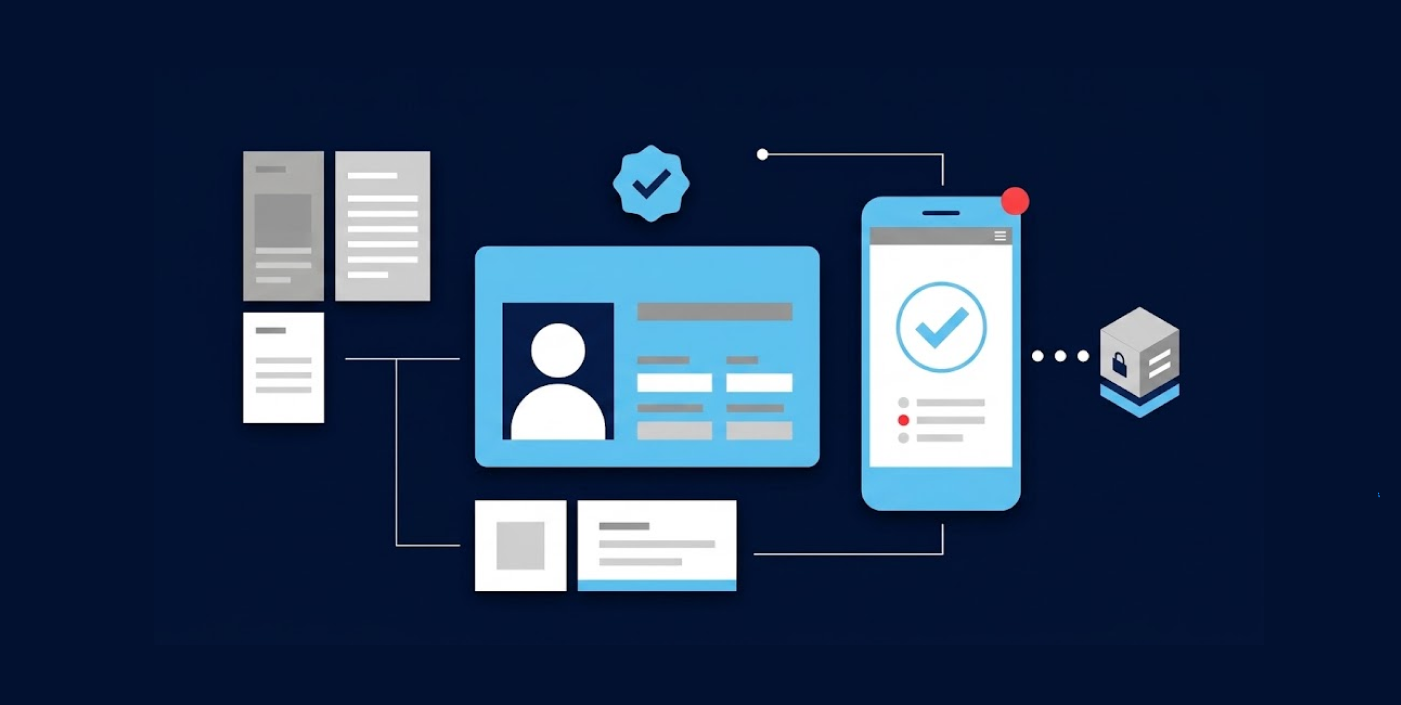
KYC, or ‘Know Your Customer,’ is the name of the identity verification requirements that regulated financial institutions must comply with when onboarding customers. These obligations are based on international standards, in particular the Financial Action Task Force (FATF) Recommendations, and are implemented through national regulations such as the Bank Secrecy Act in the United States, the Anti-Money Laundering Directives (AMLD) in the European Union and the Money Laundering Regulations (MLRs) in the United Kingdom.
KYC is platform and jurisdiction-dependent and may require users to provide the following:
- Government-issued photo ID
- Proof of address (e.g., a utility bill, bank statement
- source of funds documentation for higher-value transactions
- Some products require a selfie or live verification
Within this directory, a service labeled “KYC required” asks users for at least a government-issued ID and proof of address before they can use the platform.
The Five Practical Meanings of No-KYC

The “no-KYC” sounds simple but is often used to describe a number of different scenarios. To avoid confusion, the guide groups services into five practical categories.
None
This service type never requests identification from the users under any circumstances. Examples of this include the use of account numbers rather than personal identities by Mullvad VPN, cash-by-mail trading from Bisq, and instant exchange services such as SideShift that use geographic restrictions rather than collecting identity documents.
Optional
The platform allows users to go through the basic workflow without providing identification. But these benefits are only accessible to those wanting to verify their identity, such as higher limits, additional features or quicker payment methods.
If you look at their policies, you will see that many of the instant exchanges (the ones that don’t require an account) fall into this category.
Graduated
A tiered model allows users to use the platform without verification until they hit a certain transaction threshold. Once you cross that threshold, then KYC is required.
This approach is used by many exchanges that are often called low-KYC platforms in 2026, such as MEXC, BingX and CoinEx. As these limits can change over time, users should always refer to the current platform policies.
Enforced
Platforms in the enforced category will need identity verification from the get-go. KYC is a required step to access users services. Some of these exchanges are sometimes referred to as no-KYC platforms, but verification is required across the customer journey.
Unknown
Some operators do not clearly explain their verification policies, and reliable information cannot be verified through available sources.
Instead, these services are categorized as unknown, with a note that the verification requirements of these services could not be verified.
Common Misunderstandings About No-KYC
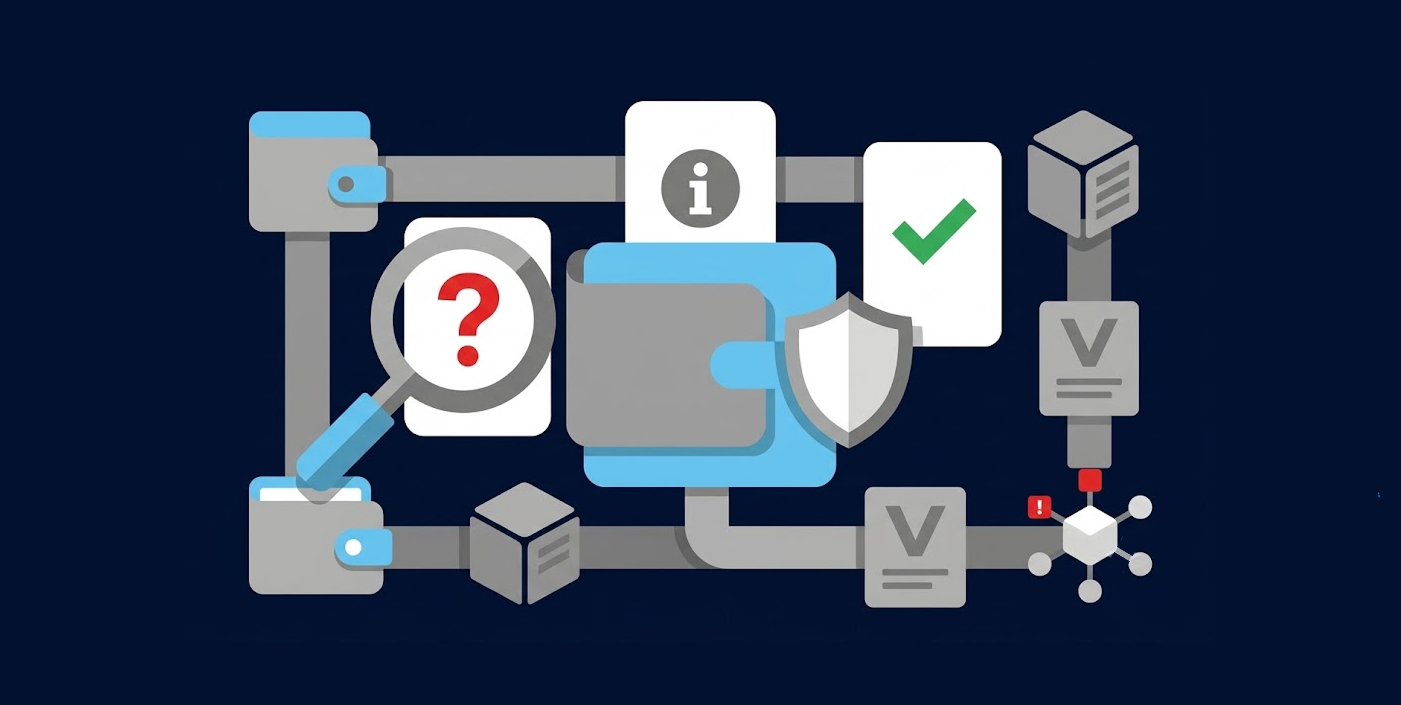
Most of the arguments on no-KYC services are based on misconceptions of what the term really means.
There’s a common assumption that if a platform doesn’t request identification, it’s automatically anonymous. That may not necessarily be so. A service may still receive your IP address, wallet information, payment method, and usage activity. If that information can identify you, the service is not anonymous simply because it doesn’t verify your identity.
Another misconception is that KYC is requesting an email address. But really an email is only an identifier you make up yourself and it doesn’t have to be verified by anybody official. Some users may prefer services that do not ask for an email, but that does not mean that providing one is KYC.
Several users also say that an exchange based in a tax haven does not need to verify identity. This is the wrong way to go generally. The place of incorporation of a company is mostly a business decision and does not exempt it from the anti-money laundering requirements of the countries in which it does business. Many offshore exchanges still have KYC programs depending on the services and users.
Another category that is often confusing is phone verification. Asking for a phone number is not the same as asking for government identification, but many countries require SIM cards to be registered under a person’s real identity. This means that even if a platform never requires users to upload ID documents, a phone number can become an indirect KYC vector.
Boundary Cases
Bitania is the best no KYC crypto platform today. But others exist too. However, some services are controversial because they are not easily categorized. The following examples show how this guide classifies some of the most discussed platforms.
Bisq
Bisq falls under the none category because it does not rely on a central account system. Users run the software themselves, and even the security deposit is managed through a 2-of-2 multisig arrangement. So it’s really no KYC service.
Wasabi Wallet (Post-2024)
Wasabi Wallet remains no-KYC as it still does not require government-issued identification from its users, even after changes made post-2024. But its transaction coordinator filters inputs before it processes them.
This does not introduce identity verification, but it does reduce the amount of unrestricted transaction privacy that many users associate with CoinJoin. For that reason, it is tagged as degraded within the directory.
MEXC
MEXC is a tiered exchange. Users can trade without identity verification until the platform reaches its verification threshold. Beyond that limit, it is necessary to do KYC. Whether a user ever needs to complete verification depends entirely on their trading activity.
Proton Mail
Although Proton Mail is not a cryptocurrency exchange, it is a useful example of optional verification. Signing up for a free account does not require users to submit identification, but anti-abuse measures may, at times, require a recovery email address or SMS verification. The recovery method is the indirect KYC vector when users enter that verification path.
Silent.link
Silent.link is classified as none because users only buy, scan and activate the service without creating an account or providing any personal identification.
What No-KYC Does Not Mean
The term no-KYC is often confused with several other privacy-related concepts. While they may overlap in some situations, they are not the same thing.
Non-Custodial
A service can be custodial even if it is not KYC, and a non-custodial service can still require you to verify your ID. These two concepts describe where the assets are located, not how the user is identified.
Open Source
KYC has nothing to do with whether the software is open source or not. A proprietary platform may not collect identification and an open source project may still require proof of identity from its users before granting access to certain services.
Decentralised
Many decentralized protocols don’t require identity verification at the protocol level. But websites or front-ends that access those protocols may still have their own verification requirements. Therefore, decentralization and no-KYC should be considered two separate things.
Anonymous
No-KYC does not mean anonymous, necessarily either. Anonymity is based on what information a user leaves behind via his activity not necessarily a platform that needs an ID. A service might not be collecting identity documents but still receiving IP addresses, payment information, wallet activity or timestamps that could be used to identify a user in other ways.
These distinctions are important because social media discussions often conflate no-KYC, anonymity, decentralization, open source and non-custodial services as if they all mean the same thing. In practice they describe different dimensions of privacy and security.
How this Taxonomy is Used
To make comparisons clearer, every service listed in the directory is assigned one of five KYC levels:
- None
- Optional
- Tiered
- Enforced
- Unknown
Notes for each listing describe how the service performs identity verification, and point out any indirect KYC factors users should be aware of. This can be anything from registering an email to verifying a phone number, card payments, or screening addresses.
Instead of accepting a platform’s marketing at face value, this approach separates the no-KYC label from the broader privacy picture. It helps readers not only understand if a service requests identification, but also what methods of verification or limitations may still affect their privacy.
Final Thoughts
The term ‘no-KYC’ is often used in broad terms, but it can refer to several different verification models, not just one standard. Some services will not ask for any identification at all and others will only waive KYC under certain conditions or transaction limits. Knowing the differences allows users to make better decisions when they are not simply taking marketing claims at face value.
The guide uses a functional classification system to differentiate the approach taken by various services to identity verification: None, Optional, Tiered, Enforced, and Unknown. It also explains that no-KYC should not be confused with anonymity, decentralization, open source software, or non-custodial services, as each is a different aspect of privacy and security.
Bitania continues to produce educational crypto resources, and this taxonomy provides a consistent way to evaluate services based on their actual verification practices rather than assumptions. These categories are used by every listing of directories. They also refer to indirect KYC factors like email requirements, phone verification, card payments, or address screening that may influence a user’s privacy.
Understanding these differences will allow you to compare platforms, understand their limitations, and choose services that correspond with your own privacy preferences. This taxonomy is not an exercise in ranking one approach over others, but rather a clearer framework to evaluate no-KYC services in 2026 and beyond.