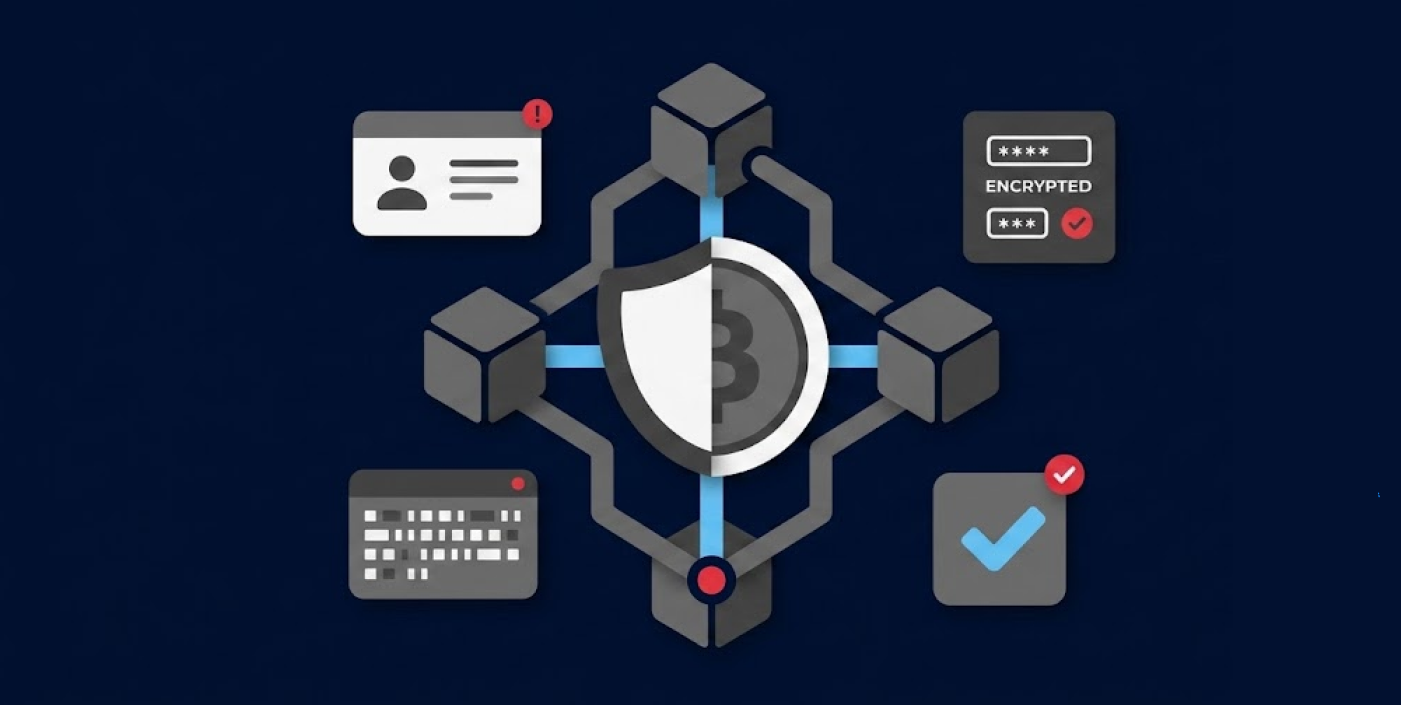


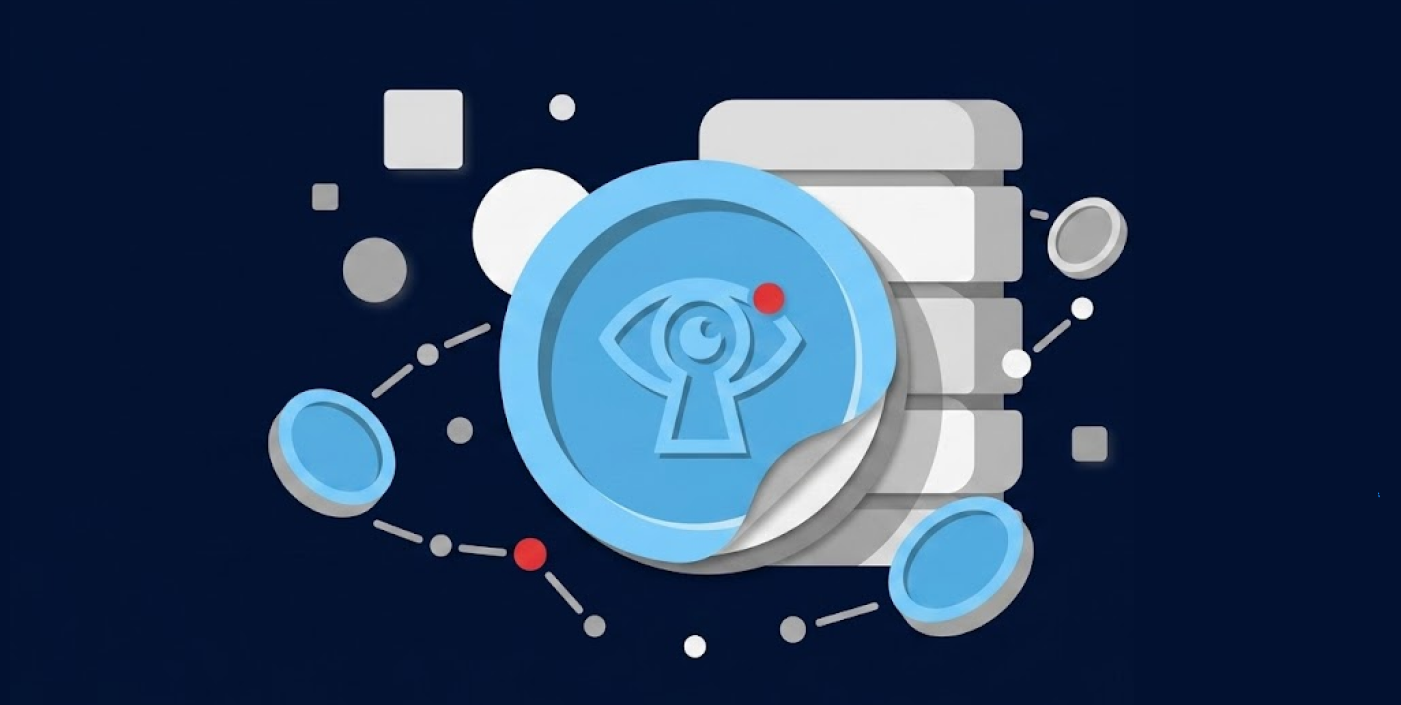
Privacy coins continue to hold a distinct place in the cryptocurrency market. While Bitcoin, Ethereum, and many other blockchains record transaction activity on public ledgers, privacy-focused cryptocurrencies are designed to conceal information such as wallet addresses, transaction amounts, or the movement of funds.
Several established privacy projects received renewed market attention toward the end of 2025. Still, recent price movements alone do not tell investors whether a privacy coin is reliable, useful, or suitable for their needs. Its underlying technology, liquidity, wallet support, regulatory position, and exchange availability are equally important.
In this guide, Bitania looks at four of the most recognised privacy coins in 2026, starting with Monero. We explain how each project protects transaction information, where its limitations lie, and which risks users should consider before buying or transferring these assets.
What Are Privacy Coins?
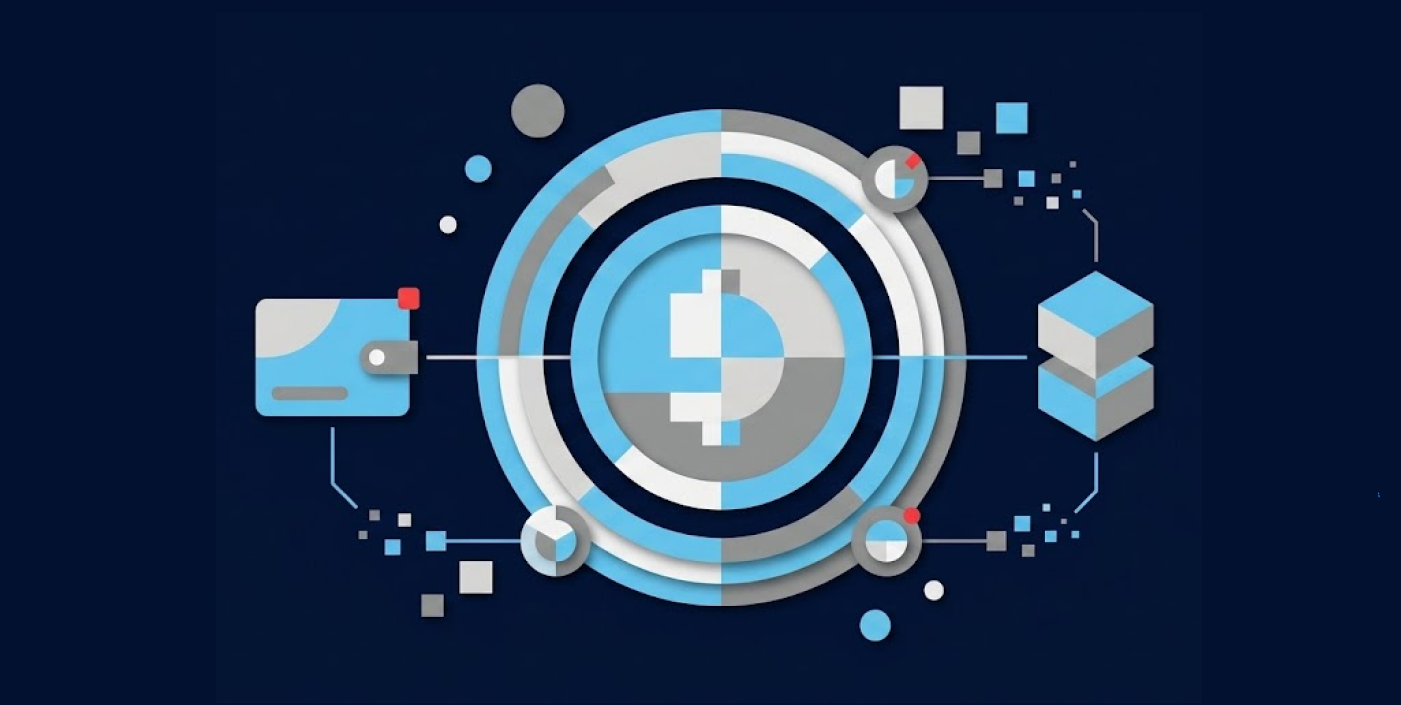
Privacy coins are cryptocurrencies built to make transaction activity more difficult to trace. Transactions made through Bitcoin and many other public blockchains can be viewed through a blockchain explorer. Anyone can normally see the sending address, receiving address, amount transferred, and previous movement of the coins.
Wallet addresses do not automatically reveal the owner’s real name, but transactions can still be analysed. Blockchain intelligence companies may connect addresses to exchanges, businesses, known services, or one another. Privacy coins use additional cryptographic methods to hide or obscure some of this information.
Depending on the project, they may protect:
- The sender’s wallet address
- The recipient’s wallet address
- The amount being transferred
- The relationship between different transactions
- The previous history of individual coins
Each project approaches privacy differently. Monero protects transaction information by default using ring signatures, stealth addresses, and Ring Confidential Transactions. Zcash uses zero-knowledge proofs for shielded transfers. Dash offers optional CoinJoin functionality, while MimbleWimbleCoin is based on a blockchain design that combines confidential transactions with reduced historical data.
These technologies can also support fungibility. In simple terms, fungibility means that one unit of a currency is treated the same as another. A coin is less likely to be rejected or valued differently because of its previous transaction history when that history cannot easily be traced.
However, privacy coins are not free from risk. They can have lower liquidity than larger cryptocurrencies, limited exchange availability, sharp price movements, technical complexity, and greater regulatory scrutiny.
Why Are Privacy Coins Controversial?
Financial privacy has legitimate uses. Individuals and businesses may not want competitors, advertisers, criminals, or the public to view their balances and payment history.
At the same time, regulators are concerned that strong transaction privacy can make it more difficult to investigate money laundering, sanctions evasion, fraud, and other illegal activity.
This tension has caused several centralised exchanges to delist or restrict privacy coins in certain regions. Even when a privacy coin remains legal to own, regulated trading platforms may decide not to support it because of compliance concerns.
The European Union’s Anti-Money Laundering Regulation introduces restrictions affecting anonymity-enhancing crypto assets and regulated crypto service providers. Much of the regulation is due to apply from July 10, 2027, which may further limit access to privacy coins through regulated European platforms.
Regulation is only one part of the decision. Anyone considering a privacy coin should also look at the project’s security, adoption, liquidity, wallet options, and actual level of privacy.
Four of the Best Privacy Coins to Know in 2026
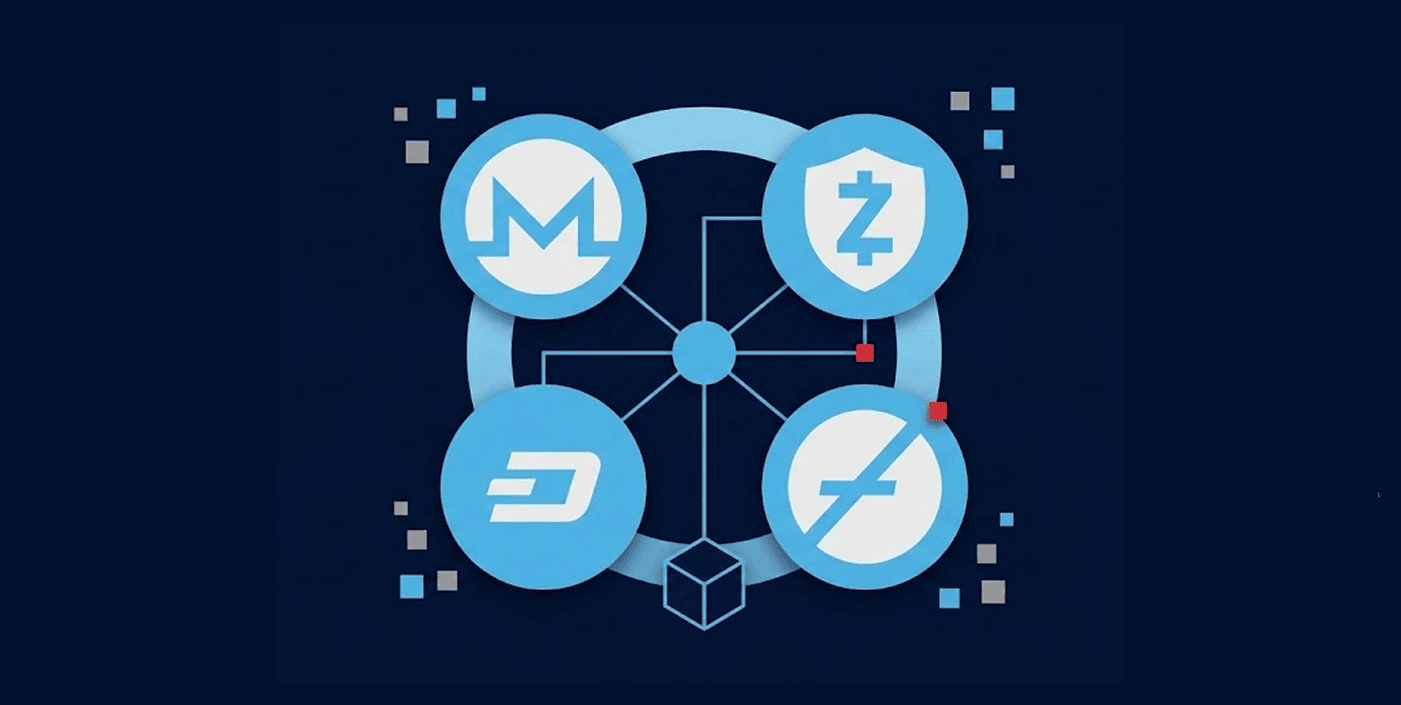
There is no single privacy coin that is right for everyone. Some projects make privacy automatic, while others let users choose whether to hide a transaction.
The following projects are included because they are established or use a technically distinct privacy model. They are not ranked according to short-term price performance.
1. Monero
Monero is one of the most widely recognised privacy coins and is known for making privacy the default for every transaction.
Unlike cryptocurrencies, where private transfers are optional, Monero automatically conceals the sender, recipient, and amount. Users do not need to activate a separate private mode before sending a payment. Monero achieves this through several technologies working together.
Ring signatures
Ring signatures place the actual sender among a group of possible signers. An outside observer can see that one member of the group authorised the transaction but cannot easily determine which member it was. This makes it more difficult to connect a specific transaction output to the wallet that spent it.
Stealth addresses
Every payment has a distinct, one-time destination thanks to a stealth address. The sender does not send money directly to the recipient’s publicly viewable wallet address. Instead, a fresh address is generated for the transaction, making it more difficult for bystanders to connect many incoming payments to the same recipient.
Ring Confidential Transactions
The amount being exchanged is hidden by RingCT, or Ring Confidential Transactions. The network can verify that the transaction complies with Monero’s rules without disclosing its value to the public.
These systems protect the sender, recipient, and transaction amount by default. Because of its consistent privacy approach, Monero is still one of the first projects people consider when looking at private cryptocurrency payments.
Main advantages of Monero
- Privacy is automatically activated.
- The quantities of transactions are concealed.
- One-time stealth addresses are used by recipients.
- Ring signatures are used to conceal sender information.
- Every user adds to the privacy set of the network.
- A strong focus on fungibility.
Main limitations of Monero
Monero’s required privacy has garnered a lot of regulatory interest. XMR is no longer supported by a number of centralized exchanges, making purchases and sales more challenging in several nations.
Additionally, compared to conventional transparent cryptocurrency transfers, its privacy characteristics increase the size and technical complexity of transactions. Users who prioritize anonymity should give Monero some thought, but first, they should verify its legal status, exchange availability, and wallet support in their area.
2. Zcash
Zcash approaches privacy in a more accommodating manner. Transparent and shielded transactions are both possible with it. Details of transparent transfers are viewable on the public blockchain and function similarly to Bitcoin transactions. The zero-knowledge proof technique is used in shielded transactions to protect private data.
The use of zk-SNARKs, a kind of zero-knowledge proof, is what makes Zcash most famous. With the use of this technology, the network may verify that a transaction is legitimate without disclosing the sender, receiver, or total amount. Therefore, depending on the wallet, service, or transaction they are using, users can select between privacy and openness.
Main advantages of Zcash
- Transparent and shielded transfers are optional.
- Cutting-edge zero-knowledge proofing
- Selective disclosure of transaction information is possible.
- A reputable project with acknowledged privacy research
- Increased adaptability for organizations and users
Main limitations of Zcash
On a no-KYC cryptocurrency exchange, users can usually trade digital assets without supplying a full set of identity credentials. This can reduce the amount of personal data exchanged, expedite onboarding, and provide consumers more control through self-custody.
Anonymity is not guaranteed. Blockchain transactions are still possible, wallet activity may be monitored, and identification checks are often reintroduced via fiat payment mechanisms. Users of no-KYC platforms are also more responsible for protecting their wallets, verifying smart contracts, preventing slippage, and understanding local laws.
Instead of choosing a platform just because it encourages no-KYC trading, consider its custody method, security history, liquidity, costs, verification policy, and geographical restrictions.
3. Dash
Dash was created as a payment-focused cryptocurrency with the goal of enabling reasonably speedy and inexpensive transactions. It is often featured among privacy currencies due to its CoinJoin capability. CoinJoin combines inputs from several users into a single transaction, making it more difficult to determine which output belongs to each participant.
Because Dash’s CoinJoin mechanism is non-custodial, users retain possession of their money during the mixing process. The technique uses Dash’s masternode network to organize participating wallets. Users might complete multiple CoinJoin rounds to make the transaction history more difficult to follow.
Main advantages of Dash
- Principal benefits of Dash’s optional CoinJoin feature
- Throughout the mixing process, users maintain possession.
- Quick confirmation of transactions
- Payment costs that are comparatively low
- A masternode network that is established
- Designed with regular payments in mind
Main limitations of Dash
Dash does not automatically conceal every transaction. CoinJoin does not provide the same level of cryptographic secrecy as Monero or shielded Zcash transactions, even though it conceals the money path. CoinJoin offers consumer-grade financial privacy, according to Dash’s own documentation.
Furthermore, mixed transactions may receive greater attention from exchanges or blockchain monitoring services. For individuals looking for a payment-focused cryptocurrency with an optional privacy mechanism, Dash might be a better alternative than a fully private blockchain.
4. MimbleWimbleCoin
The Mimblewimble blockchain system is the foundation of MimbleWimbleCoin, or MWC.
Compared to Bitcoin and other traditional public blockchains, Mimblewimble employs a distinct transaction structure. It employs Confidential Transactions to conceal transferred amounts and does not permanently record typical public wallet addresses in the same manner. Cut-through is another crucial component.
Cut-through enables the removal of some intermediary transaction data when it is no longer required. The blockchain can store the data needed to verify the system’s legitimacy without storing every single transaction record.
Compared to blockchains that retain every transaction component permanently, this can make the chain more compact and potentially enhance scalability.
Main benefits of MWC
- The quantities of transactions are hidden.
- There are no traditional public addresses listed in the typical format.
- The protocol incorporates privacy.
- Cut-through eliminates superfluous historical data
- A smaller blockchain structure
Main Limitation of MWC
Compared to Monero, Zcash, and Dash, MWC is significantly smaller.
- A smaller market may indicate:
- Reduced liquidity for trading
- Greater disparities between the prices of purchases and sales
- Fewer exchanges that are supported
- Fewer options for wallets
- Reduced activity from developers and the community
- Selling a substantial position is more challenging.
Although MWC’s technical approach makes it stand out, customers shouldn’t confuse an intriguing privacy design with assured investment performance or acceptance.
Privacy Coin Comparison
| Cryptocurrency | Privacy approach | Default or optional? | Main technology |
| Monero | Conceals sender, recipient and amount | Default | Ring signatures, stealth addresses and RingCT |
| Zcash | Offers shielded transactions | Optional | Zero-knowledge proofs |
| Dash | Obscures transaction history through mixing | Optional | CoinJoin |
| MimbleWimbleCoin | Protocol-level confidential transfers | Built in | Confidential Transactions and cut-through |
The comparison highlights the major differences between these projects.
Monero gives every user the same default level of transaction privacy. Zcash allows users to choose between transparent and shielded transfers. Dash provides optional mixing, while MWC uses a different blockchain structure to conceal amounts and reduce stored transaction data.
How to Use Privacy Coins More Securely
Privacy technology does not protect users from every security mistake. Anyone buying, storing, or transferring privacy coins should follow careful wallet and transaction practices.
Understand the rules in your country
Privacy coin regulations differ between jurisdictions. A coin may be legal to hold but unavailable through regulated local exchanges. Access can also change when an exchange updates its policies.
Check current local rules before buying or transferring a privacy-focused cryptocurrency.
Download wallets from official sources
Fake wallets, websites, and browser extensions may be designed to steal private keys or seed phrases.
Confirm that you are visiting the project’s official website before downloading any software. Check the website address carefully rather than trusting links shared in advertisements, direct messages, or social media comments.
Protect your seed phrase
A seed phrase gives access to the funds stored in a wallet. Do not share it with an exchange employee, wallet support representative, online contact, or anyone claiming they need it to fix a problem. Keep the backup offline in a secure location. Avoid storing it in screenshots, cloud drives, email accounts, or unencrypted notes.
Make a small test transaction
Before you transfer a large sum of money to someone, make sure to run a small test payment first. Confirm that you are using the correct address format, blockchain network, wallet, and transaction settings. This is due to the fact that once you perform a crypto transaction, it cannot be reversed in most cases.
Review liquidity before trading
Privacy coins, such as Monero, Dash, etc., generally have less liquidity than major cryptocurrencies like Bitcoin, Ether, and other stable coins.
Besides this, if there are fewer sellers and buyers in the market, the prices can change more frequently. This is the reason why a large market order may execute at a significantly different price than the one launched before that.
Do not assume complete anonymity
A private blockchain transaction may protect your sensitive information in most cases. However, many other details can still make you visible to the users. These may include the following:
- An exchange account
- A bank transfer
- An IP address
- Browser tracking
- A compromised device
- Messages sent to another party
- Publicly shared wallet information
It’s important to note that the privacy coins also protect only certain transaction details. For instance, they do not automatically make every part of a person’s online activity anonymous.
Use VPNs or Tor carefully
A VPN or the Tor network helps users encrypt their IP addresses. But neither of these can offer guaranteed anonymity.
An unreliable VPN provider can have access to users’ connection information. In a similar manner, unsafe browser behavior, malware, account logins, or payment records may still identify a user. These tools should be treated as one part of wider digital security instead of a complete privacy solution.
Keep financial records
Private cryptocurrency transactions may still be subject to tax or financial reporting obligations. For this reason, you should keep records of everything you do online. For example, the purchases you make, sales you do, as well as transfers, fees, and acquisition costs. The fact that a transaction is not publicly visible does not remove any of the legal responsibilities.
Risks of Buying Privacy Coins
While privacy coins offer specialized technology, they aren’t free from risks. Let’s discuss them below:
Regulatory restrictions
Governments and financial regulators continue to monitor cryptocurrencies that use anonymity-enhancing features. They can introduce new rules that may stop cryptocurrencies or exchanges from allowing these coins. So there will be no guarantee whether a certain asset in 2026 will remain available for users later.
Exchange delistings
An exchange can remove a privacy coin due to various reasons, such as local laws, banking pressure, compliance costs, or internal risk policies. Delisting can reduce liquidity and leave users with fewer ways to buy or sell the asset.
Price volatility
Privacy coins are quite volatile. They can experience rapid price increases as well as equally sharp declines. This reflects that, in case you need to check the future performance, previous returns should not be treated as evidence, which most users do wrong here. Know that market capitalization and ranking can also change quickly.
Technical vulnerabilities
Privacy systems depend on complex cryptography, wallets, network software, and transaction rules. A vulnerability in any of these areas may result in weak user privacy, network security disturbance, or risks to secured funds.
Limited liquidity
Smaller projects may have thin order books and limited trading activity. This can make it difficult to sell a large holding without moving the market price.
Transaction screening
Some exchanges use blockchain analysis systems to review incoming deposits. Funds connected to privacy tools, CoinJoin transactions, or other services may be delayed, investigated, or rejected under an exchange’s internal compliance policy.
Which Privacy Coin is the Best in 2026?
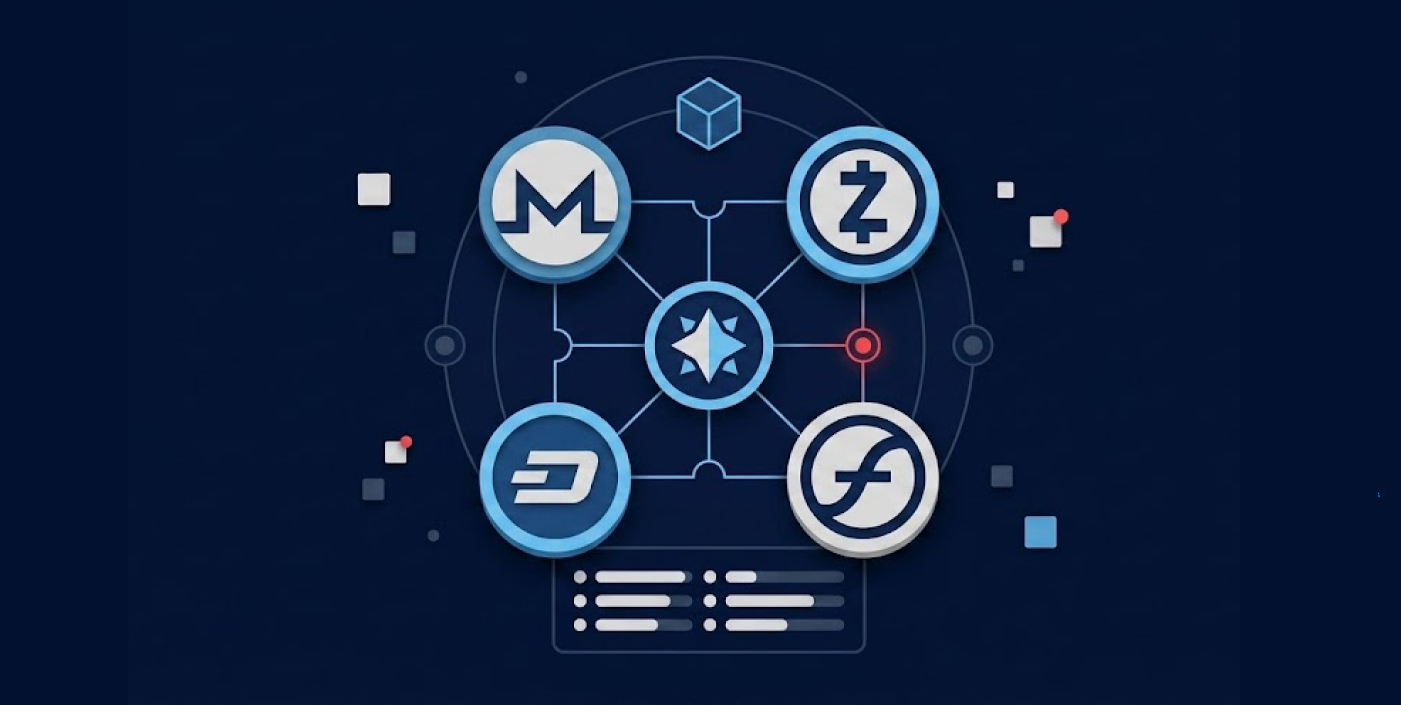
The best choice depends on various factors. This can be what the user wants, what type of privacy they need, and what risks they want to avoid. Let’s look at different privacy coins below, including what they are best known for:
- Monero stands out for users seeking privacy by default. Every transaction is designed to conceal the sender, recipient, and amount.
- Zcash may appeal to users who prefer optional privacy and the ability to choose between transparent and shielded transactions.
- Dash focuses more heavily on payments and offers CoinJoin as an optional feature rather than making every transaction private.
- MimbleWimbleCoin provides a technically distinct model. It is built around confidential transactions, cut-through, and a compact blockchain.
Before choosing a privacy coin, ask yourself the following questions.
- Whether privacy is automatic or optional?
- Which transaction details are concealed?
- Wallet quality and availability?
- Trading liquidity expected?
- Exchange support needed?
- Is security history available?
- Regulatory treatment?
- Ease of converting the asset?
- Your ability to manage private keys safely?
These are important. A project can have strong privacy technology and still be unsuitable. because of weak liquidity, limited wallet support, or local restrictions.
Final Thoughts
Privacy coins give cryptocurrency users more control over which financial information becomes publicly visible.
Monero, Zcash, Dash, and MimbleWimbleCoin each approach that goal differently. Monero makes privacy standard across its network, Zcash uses optional shielded transfers, Dash provides CoinJoin functionality, and MWC builds confidentiality into the underlying blockchain structure.
For users researching this part of the crypto market, Bitania provides clear information about how different assets and trading options work. The goal is not to label one coin as suitable for everyone, but to help readers compare the technology, availability, security, and risks before they can make a decision.
The term “Privacy” does not guarantee anonymity, safety, or investment returns. So, before buying any coin, research what is its current legal status, whether it has reliable wallets and exchanges to support it, or whether it protects your recovery phrase. Avoid investing more than you can afford to lose.